

Web Development

Nuclear Safety Intelligence
AI-Driven ECT Defect Recognition Automation
Commissioned by NARI, this project upgrades Eddy Current Testing (ECT) technology through AI. By implementing an automated defect recognition system for nuclear plant signals, it enhances inspection efficiency and ensures result consistency, providing robust technical support for safe operations.
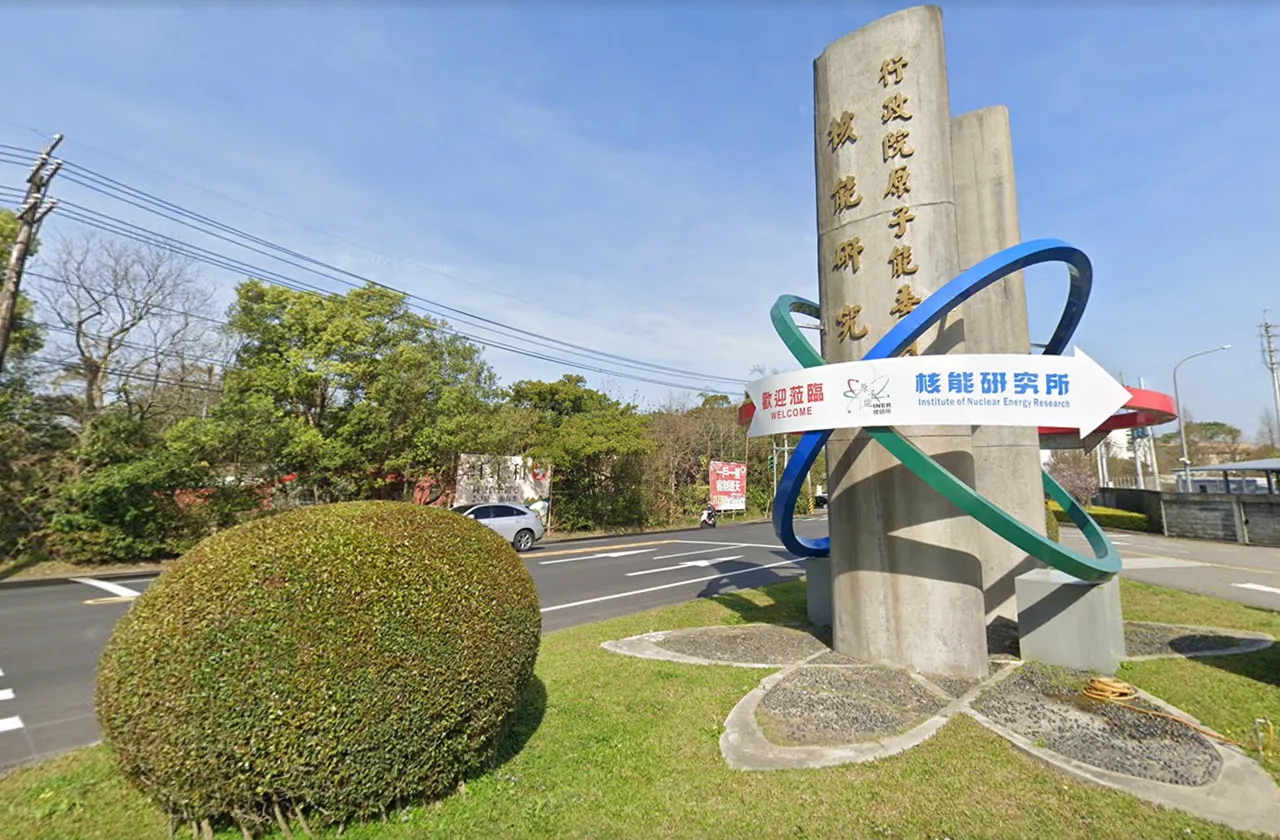
This AI system, commissioned by NARI, intelligently upgrades ECT technology for nuclear equipment. • Key Technology Application: ECT is widely used for integrity testing of metal pipelines, steam generator tubes, and heat exchangers. • Traditional Bottlenecks: Conventional methods rely heavily on expert experience; manual analysis is time-consuming and prone to human error. • Digital Transformation Goals: With rapid data growth, ML and Deep Learning are used to build automated systems that ensure consistent results. • Technical Capability Building: The AI-assisted system handles defect features across various channels and frequency bands, reducing workload and building global competitiveness.
Nuclear data is highly sensitive and requires strict vetting. Rare defect samples lead to imbalanced data distribution, impacting AI learning.
Signal characteristics vary across channels (1, 3, 4, 5, P1-3), requiring specialized models and the integration of pA, pB, and pC bands.
Developing mechanisms to control existing software—including file opening, signal positioning, and report generation—with high stability requirements.
Electromagnetic interference and equipment vibration test the robustness of AI models in identifying real defects within noisy environments.
Utilizing CNN as the foundation with a Sequential design (convolutional, pooling, and fully connected layers) and Early Stopping for quality control.
Integrating GUI automation and image processing for file operations, signal localization, and end-to-end automation.
A framework for preprocessing and noise filtering, using multi-threaded architecture to balance user interaction and automated tasks.
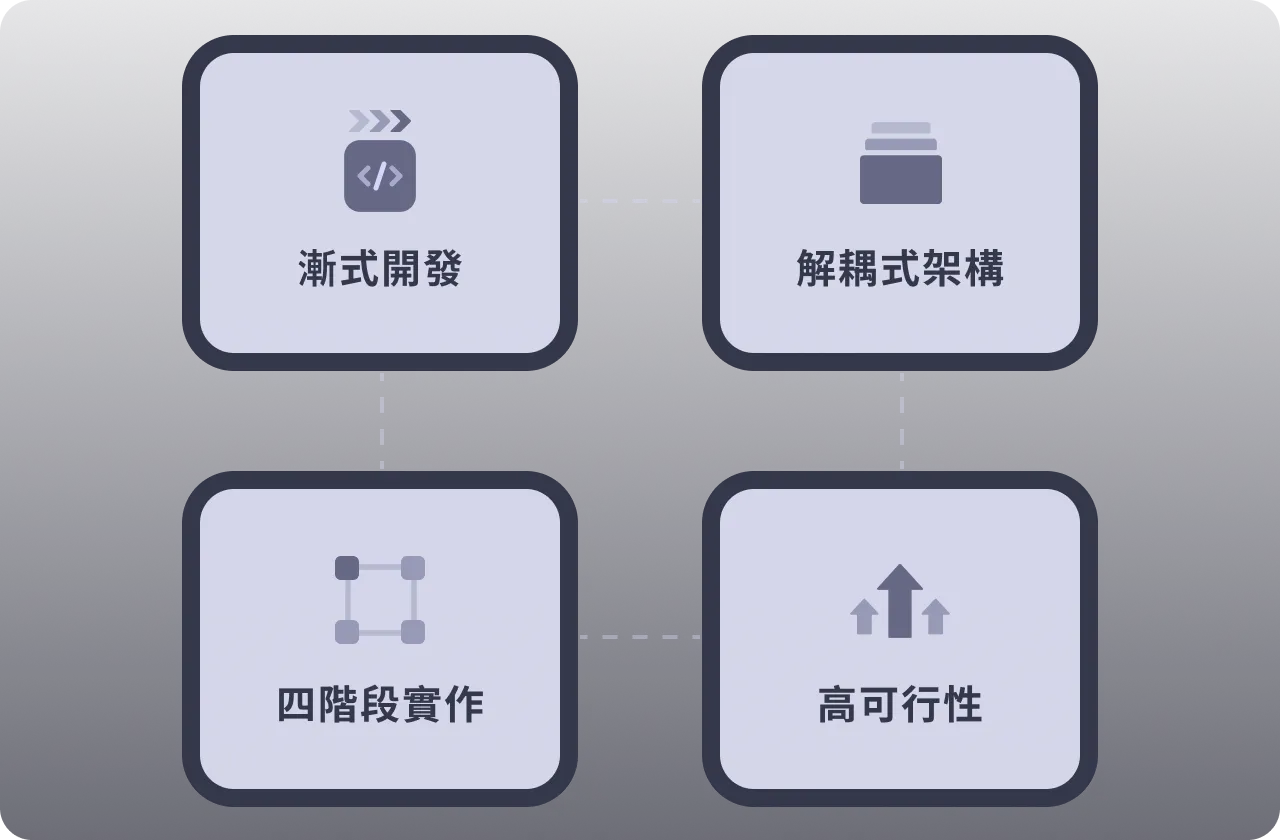
Phased Development Strategy
Following a 'single-channel before multi-channel' principle to build base models for clear signal features first, reducing technical risk.
Decoupled Architecture
Separating AI recognition from automation control systems to ensure high maintainability and independent scalability.
Four-Stage Implementation
Covering data preprocessing, specialized AI training, automation design, and final system integration with field testing.
Automated defect recognition significantly boosts inspection efficiency and ensures consistent, reliable results.
Reduced workload for inspectors and improved standardization, providing a technical safeguard for nuclear plant operations.
Successfully integrated AI and automation, establishing globally competitive smart inspection technology for NARI.