2026/04/17
What Advantages Can System Maintenance Bring to Enterprises? Master 5 Key Benefits to Ensure Stable Growth of Digital Assets
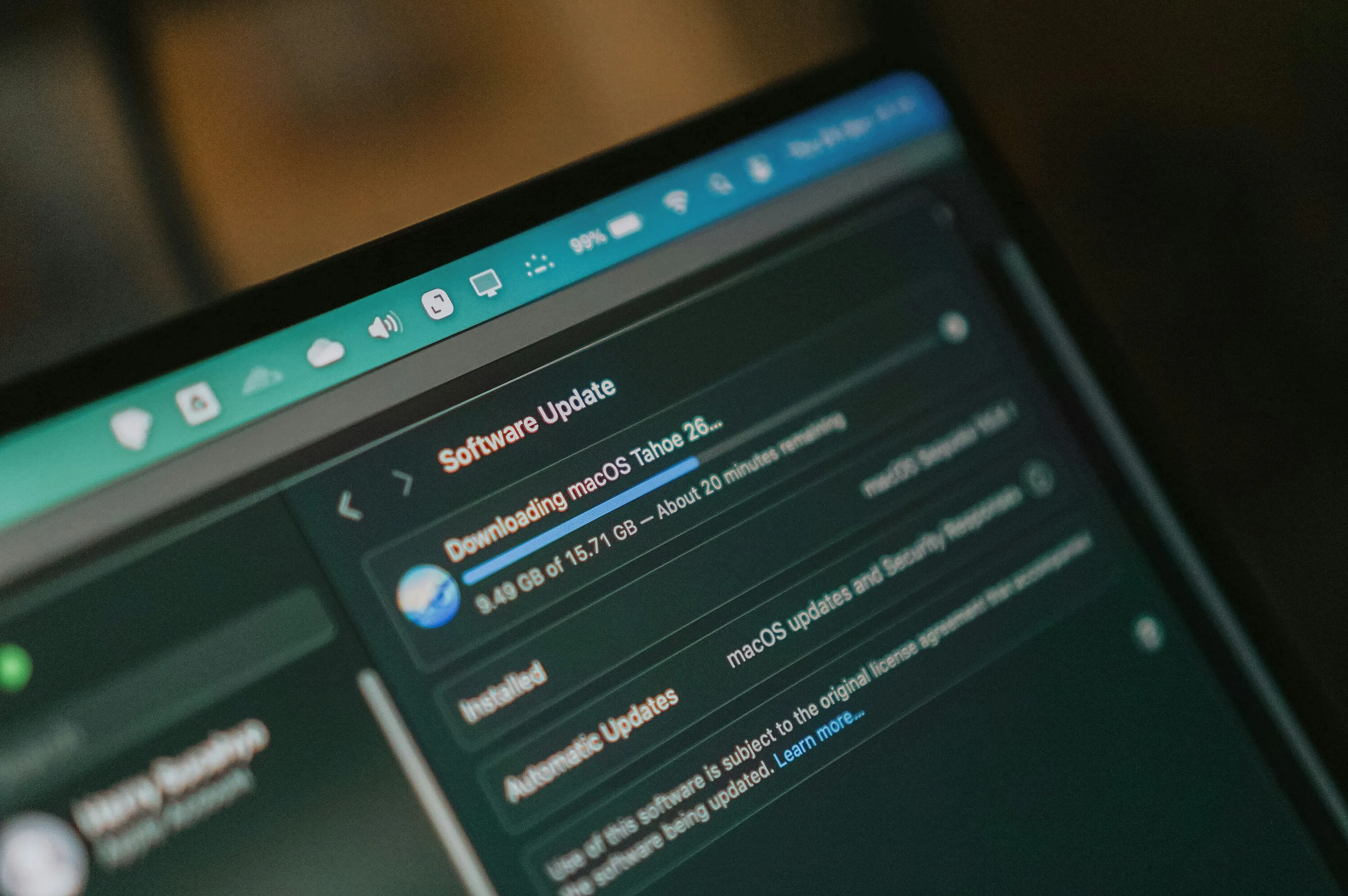
Have you ever experienced these frustrations — your system gets slower after launch, your previous vendor disappears, and no one can handle bugs when they occur? Many business owners think a system is "done once built," yet overlook that "maintenance quality" is what truly drives profitability. System maintenance effectively resolves performance degradation, accumulated technical debt, and cybersecurity risks, making your enterprise operations more resilient. This article will guide you through the concept, advantages, implementation steps, and FAQs of system maintenance, helping you build an efficient and secure digital asset.
If you are currently evaluating Software Development, or are in the planning stages but unsure of the direction, this article will help you clarify key points and risks.
We also offer free consultations. If you are looking for a quicker way to assess whether this solution is suitable for your specific situation, please feel free to reach out to us.
- What Is System Maintenance? Types of System Maintenance Explained
- Why Is System Maintenance Necessary? Benefits and Approaches All in One Place
- Why Do You Need a System Maintenance Vendor? What Can a Professional Partner Provide?
- FAQs: 5 Core Questions Enterprises Ask Most About System Maintenance
- The Top Choice for Professional System Maintenance|TWJOIN
What Is System Maintenance? Types of System Maintenance Explained
What Is System Maintenance?
System Maintenance & Operations refers to the use of professional technical methods — including monitoring, repair, updates, and performance tuning — after a software application or information system goes live, ensuring the system continues to operate normally over the long term within the same architecture. The goal of IT system maintenance is to keep an enterprise's digital assets running collaboratively, ensuring data accuracy, and thereby improving overall operational efficiency and competitiveness.
In the software development lifecycle, the maintenance phase accounts for 80% of costs and time. A well-built system must dynamically adapt as the business expands — connecting new features, processes, and databases to continuously optimize operational efficiency.
Introduction to 4 Common Types of System Maintenance
- Corrective Maintenance: This is the most fundamental "troubleshooting." When a system encounters bugs, crashes, or data errors, maintenance engineers must respond immediately to ensure business processes are not interrupted. This type of maintenance is critical for real-time damage control.
- Adaptive Maintenance: As the technology environment evolves — such as OS upgrades (iOS/Android updates), browser changes, or third-party API adjustments (e.g., LINE, payment gateways) — the system must be modified accordingly to maintain compatibility.
- Perfective Maintenance: This is about "making the system better." It includes optimizing code execution efficiency, improving UI/UX interfaces, or speeding up database queries. Perfective maintenance can significantly increase system load capacity and reduce server costs.
- Preventive Maintenance: Eliminate problems before they occur. Through stress testing, vulnerability scanning, and resource monitoring, identify potential system failure thresholds in advance and reinforce them. This type of maintenance is the core of "digital sovereignty" and risk control for high-value digital assets.
Why Is System Maintenance Necessary? Benefits and Approaches All in One Place
Is System Maintenance Important? 5 Key Benefits of Professional Maintenance
As a business scales, legacy systems without proper maintenance will face declining performance and security vulnerabilities. Externally, this erodes customer trust; internally, it increases operational burden on employees.
Here are the 5 key benefits system maintenance delivers:
- Reduce Repetitive Trouble Reports and Improve Operational Efficiency: Professional maintenance identifies root-cause "pain points" rather than surface-level patches. When the system architecture is stable and data across departments flows through a single platform, teams no longer need to troubleshoot errors constantly — dramatically improving overall operational efficiency.
- Lower Hidden Costs, Including Time, Money, and Intellectual Property Protection: Preventive maintenance saves enterprises from operational losses caused by "major outages." More importantly, professional maintenance continuously supplements technical documentation, preventing systems from becoming "software orphans" and reducing future redundant investment costs from vendor switching.
- Achieve More Accurate and Stable Data Analysis: Maintenance includes database cleanup and auditing. Once the database is no longer redundant and indexes are precise, the comparative analyses enterprises conduct become far more valuable as a basis for strategic adjustments.
- Improve Customer Service Satisfaction and Brand Professionalism: System maintenance ensures consumers experience consistent, smooth performance when using your app or website. Reducing crashes and shortening load times is the invisible core of improving customer satisfaction and loyalty.
- Enhance System Scalability, Stability, and Security: Cybersecurity is a global priority. Professional maintenance vendors regularly update security patches and easily assist with scaling as the system grows. By optimizing system deployment, enterprises no longer worry about unstable cross-system integrations, keeping business data more secure.
Why Do You Need a System Maintenance Vendor? What Can a Professional Partner Provide?
What Is a System Maintenance Vendor?
The scope of system maintenance is extremely broad — encompassing server monitoring, code optimization, and cybersecurity protection. Professional maintenance vendors can devise solutions tailored to each client's business logic and assist in managing customized systems.
Because maintenance spans multiple domains — development, network engineering, database optimization — managing it in-house requires enormous human resources. This is where TWJOIN, with its professional expertise and extensive experience, steps in. We not only provide comprehensive technical support but can also rapidly identify problems in emergencies thanks to our deep experience in "complex logic streamlining."
Service Process Provided by Software System Maintenance Vendors
- Current State Diagnosis and Health Check: Analyze existing code health and identify "technical debt" slowing down performance.
- Monitoring and Alert Deployment: Establish automated alerting mechanisms with 24/7 monitoring of CPU, memory, and database traffic.
- Security Updates: Regularly patch vulnerabilities to defend against cyberattacks and ransomware.
- Performance and Architecture Optimization: Provide resource scheduling recommendations for peak business periods and optimize query efficiency.
- Source Code and Documentation Management: Ensure every modification is recorded, safeguarding clients' complete control over their assets.
FAQs: 5 Core Questions Enterprises Ask Most About System Maintenance
Q1: We already have in-house engineers — why do we still need professional maintenance?
A: In-house engineers typically focus on "new feature development" and often overlook "underlying stability" and "resource optimization." TWJOIN provides architectural diagnostics, handling complex issues like database failures and high-concurrency crashes that internal teams struggle to resolve — freeing your engineers to focus on business innovation.
Q2: Can you maintain a system where the previous vendor left halfway through or left no documentation?
A: Yes, we can reverse-engineer the business logic from existing code. While the process is challenging, it is the only way to reclaim system control and prevent your digital assets from becoming worthless.
Q3: Does maintenance always require an ongoing subscription? Can't we just call you when something breaks?
A: Break-fix maintenance typically comes with enormous business downtime losses and expensive emergency handling fees. Continuous maintenance is about "prevention," not "treatment." A system that hasn't had timely security patch updates faces extremely high cybersecurity risks.
Q4: What does "complex logic streamlining" mean in the context of maintenance?
A: Maintenance is more than fixing bugs — it involves understanding the complex logic, interactions, and rules within your system. When business processes change, we can precisely assess the scope of impact, ensuring system modifications don't trigger cascading failures.
Q5: Is a slow system response time always a hardware issue?
A: In 90% of cases, it's due to unoptimized "code logic" and "database indexing." Blindly upgrading servers is only a temporary fix. Professional maintenance finds the root cause of resource consumption and clears technical debt, pushing system performance to its limits on existing hardware.
The Top Choice for Professional System Maintenance|TWJOIN
System maintenance has become a critical topic for modern enterprises seeking to improve operational efficiency and protect core data. TWJOIN brings extensive maintenance and refactoring experience, helping industries including finance, retail, and manufacturing with digital transformation while resolving clients' technical black-box issues through customized maintenance solutions.
TWJOIN's 4 Key Advantages
- 10 Years of Software Development Experience: A strong talent pool capable of supporting diverse complex industries with deep technical expertise.
- 100% Source Code Delivery: We return digital asset sovereignty to your enterprise. No vendor lock-in — clients never have to choose between quality and ownership.
- Deep Expertise in Complex Business Logic Streamlining: With "human-centered design" and "business insight" at our core, we develop scalable maintenance solutions tailored to each enterprise's unique needs.
- Professional End-to-End Service Process: From needs diagnosis and security hardening to post-delivery technical training, we ensure your internal team grows alongside the system, maintaining a healthy long-term partnership.
Ready to enhance your enterprise's asset value through professional maintenance? Click the button below to fill out the form, and our team will conduct a dedicated system health check for you.
Software Development is not merely a one-off project, but a critical decision that impacts your operations and results.
If you are looking to achieve a better balance between budget, timeline, and outcomes, we would be delighted to be your partner.
You can:
👉 Or contact us directly